
An example outpatient visit
Amaka and her son Kamsi are fictional patients, and every value on the screens beside them is illustrative.
Fastclinic keeps each patient's health history on one record, so the front desk, clinicians, laboratory and pharmacy work from the same information.
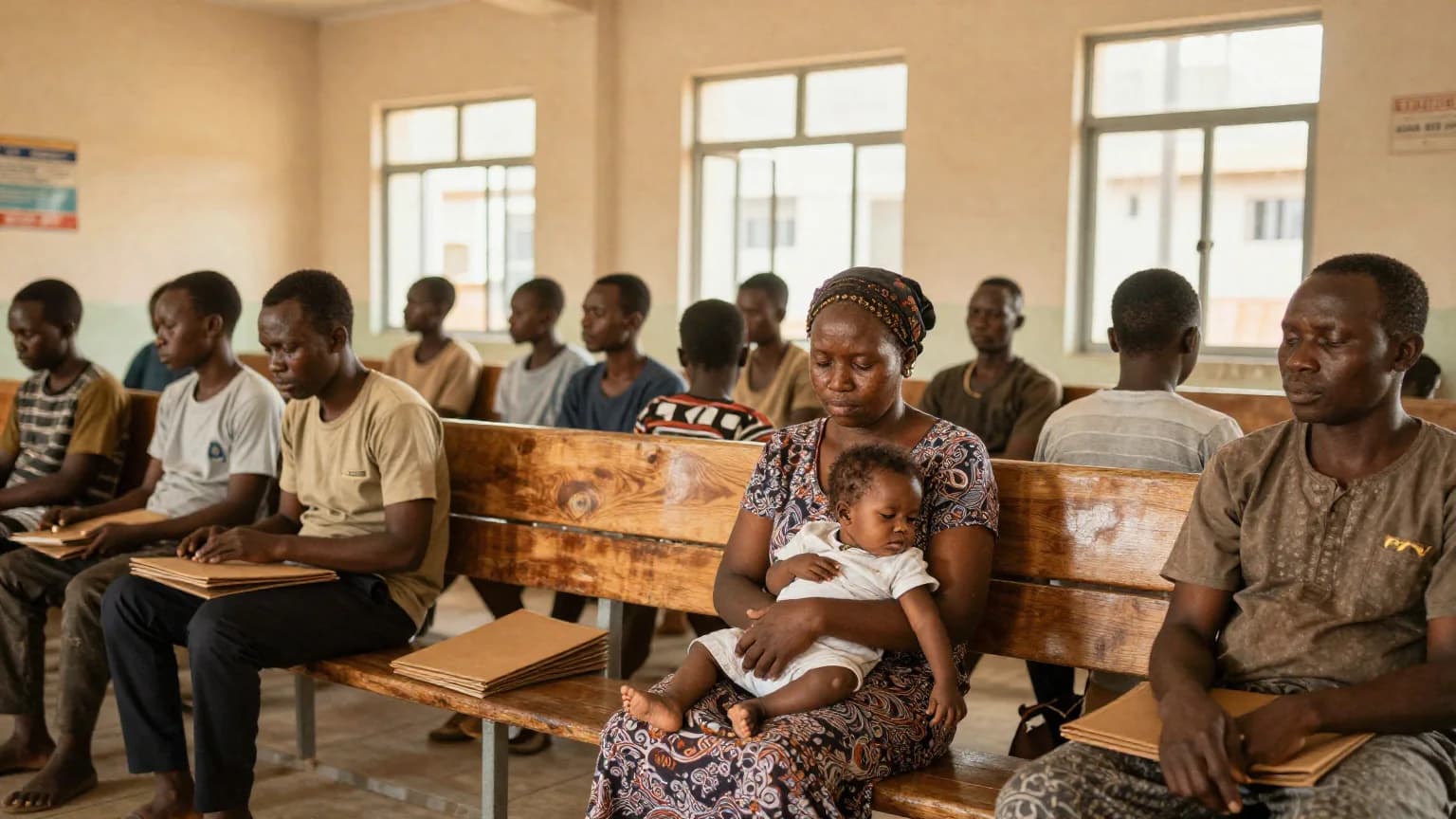
Many hospital visits in Nigeria still depend on paper folders, results carried by hand and deposits required before assessment.
Amaka and her son Kamsi are fictional patients, and every value on the screens beside them is illustrative.
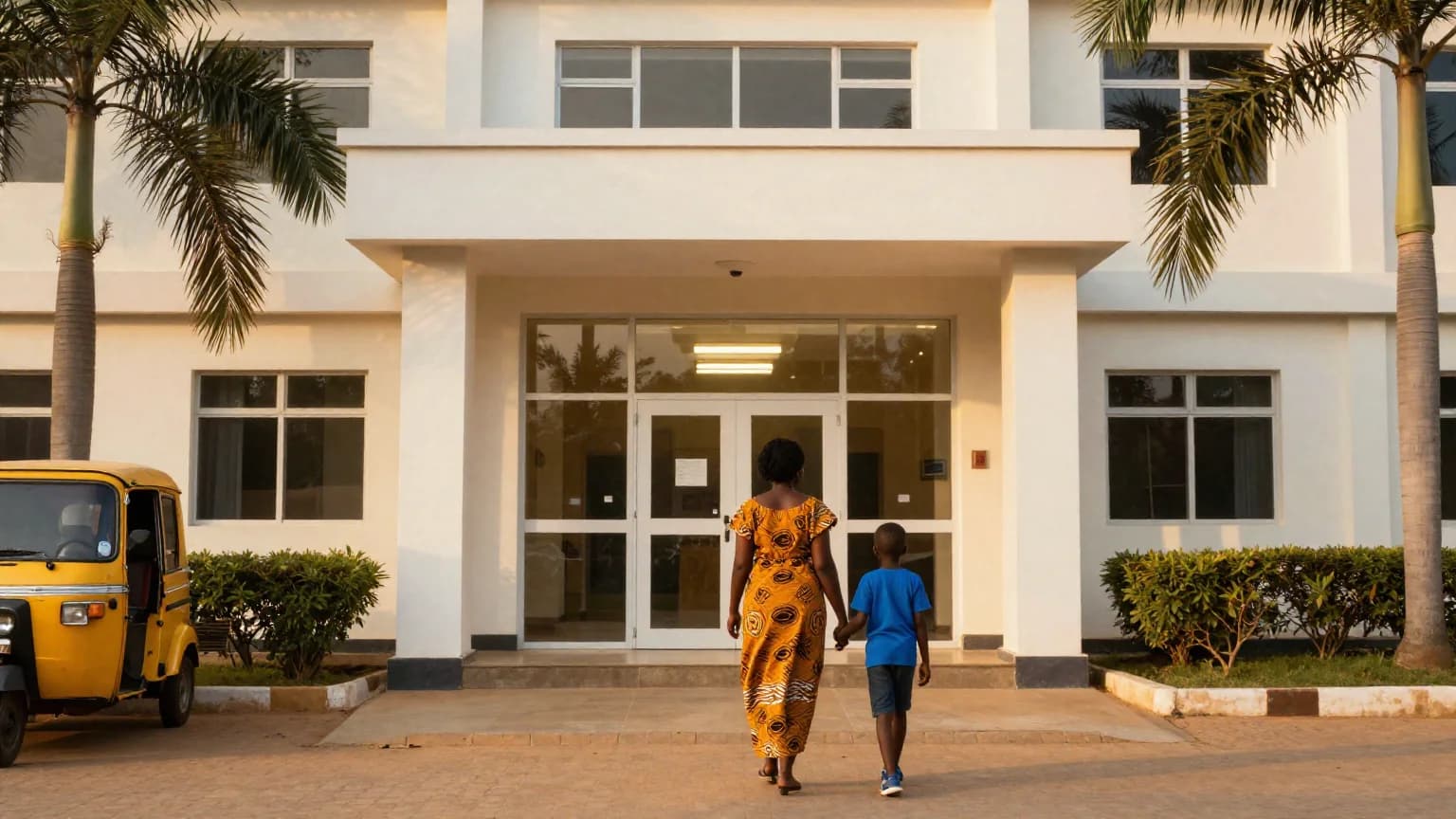
Before leaving home, Amaka checked Kamsi's symptoms on her phone. The advice was to see a doctor that day.
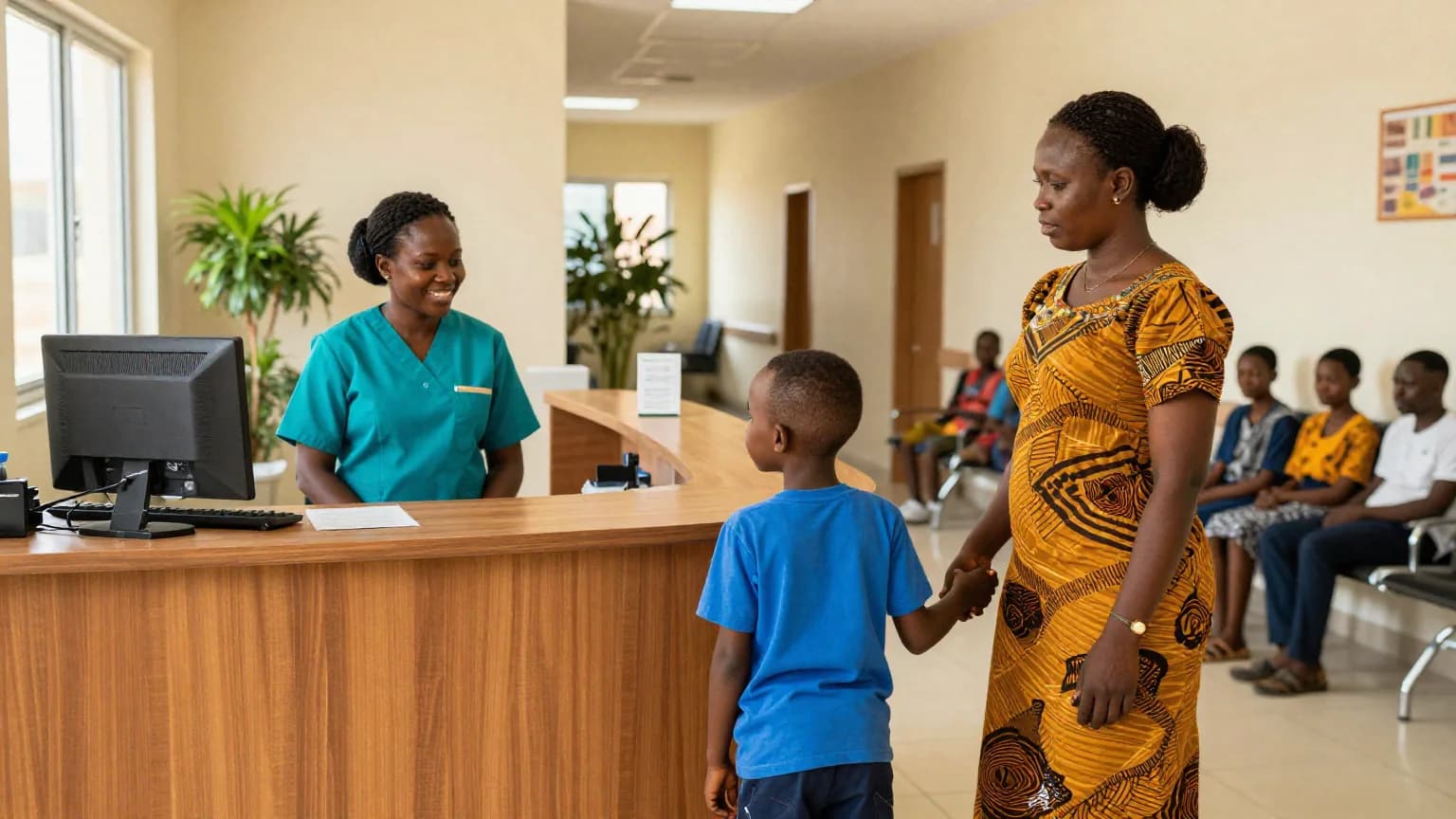
The receptionist enters his name and his record opens, with the answers Amaka gave that morning already attached.
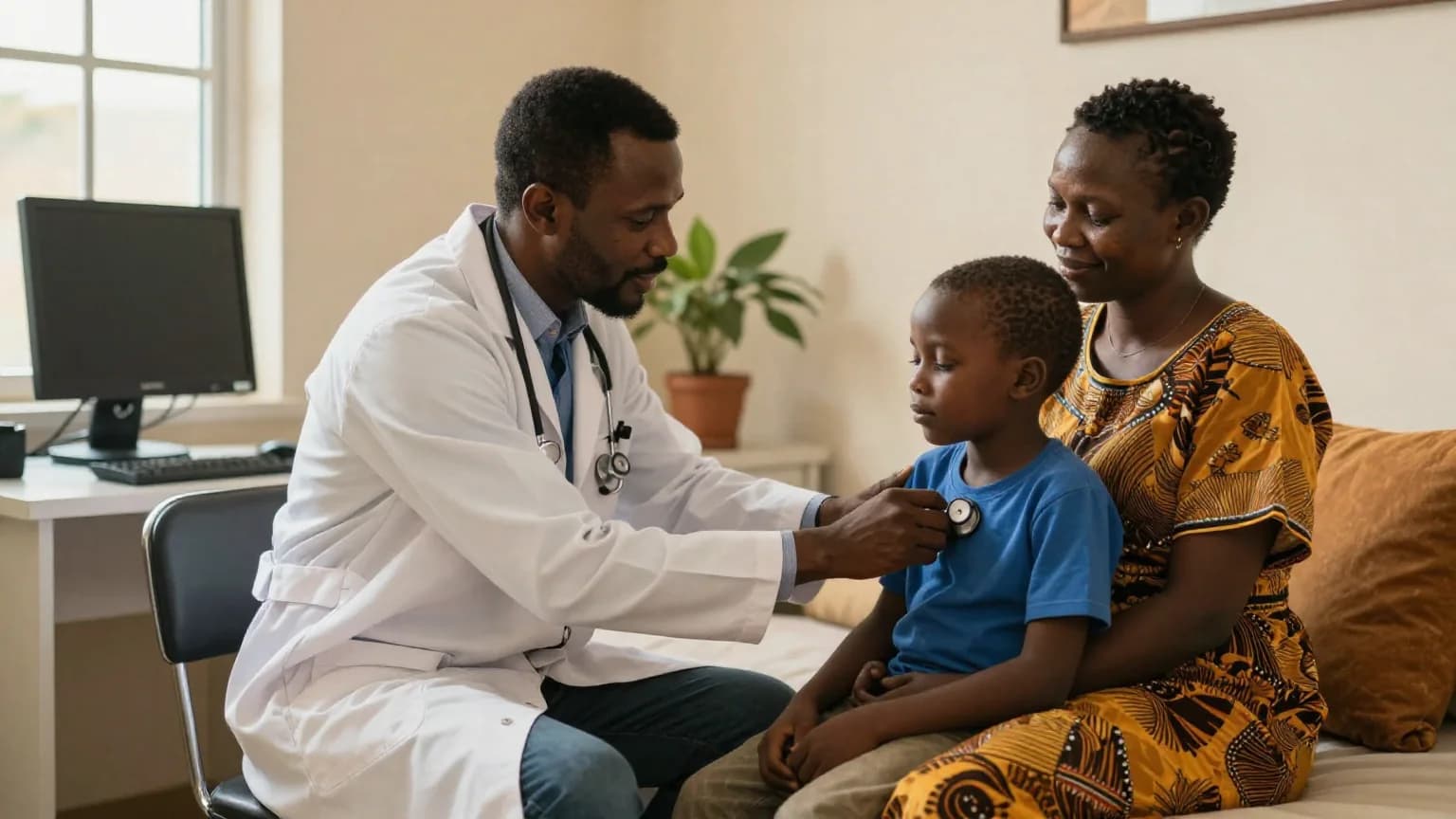
Dr. Musa reads the morning's answers and orders a malaria test and a full blood count from his screen.
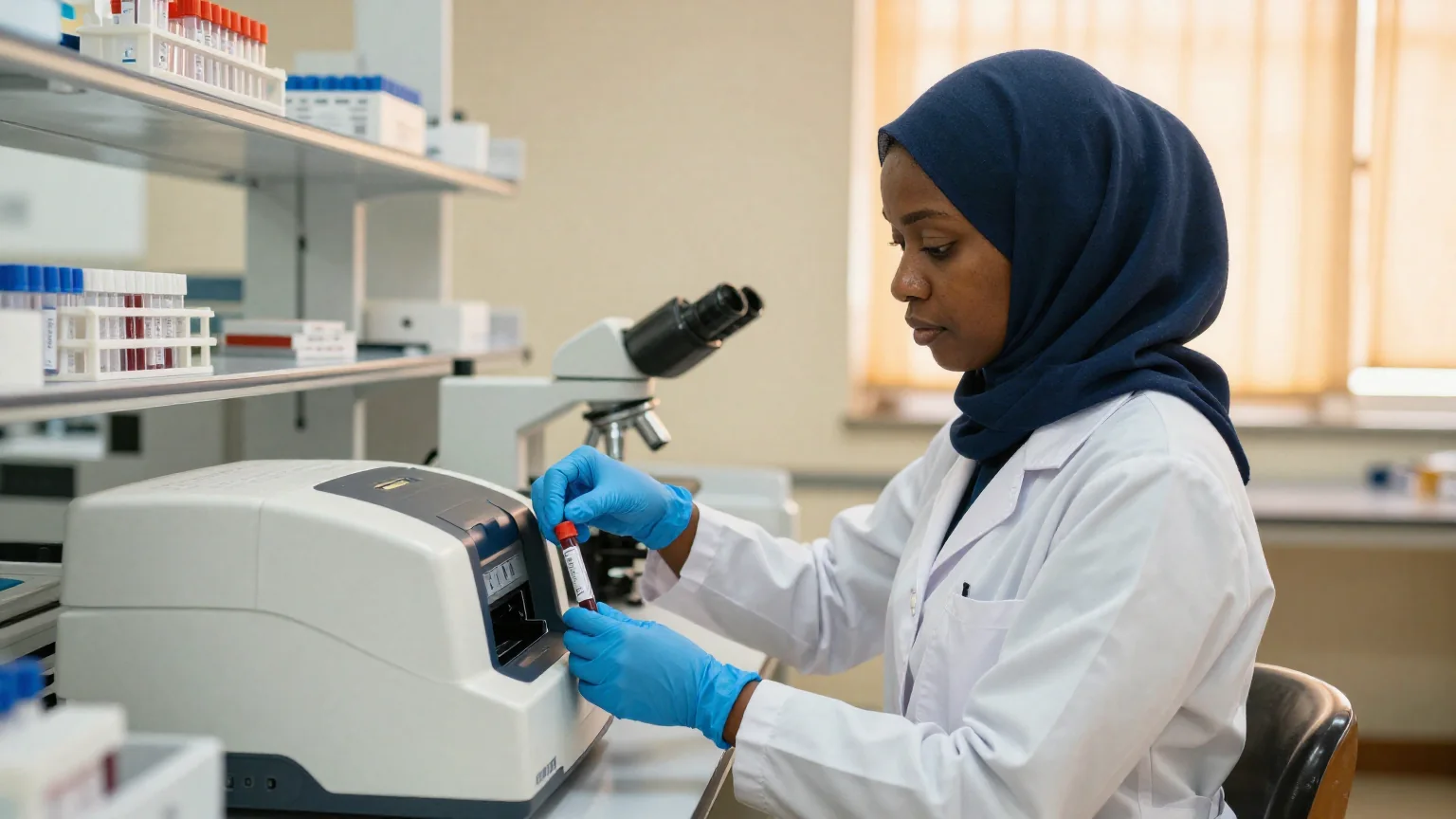
When the result is ready it appears on Dr. Musa's list.
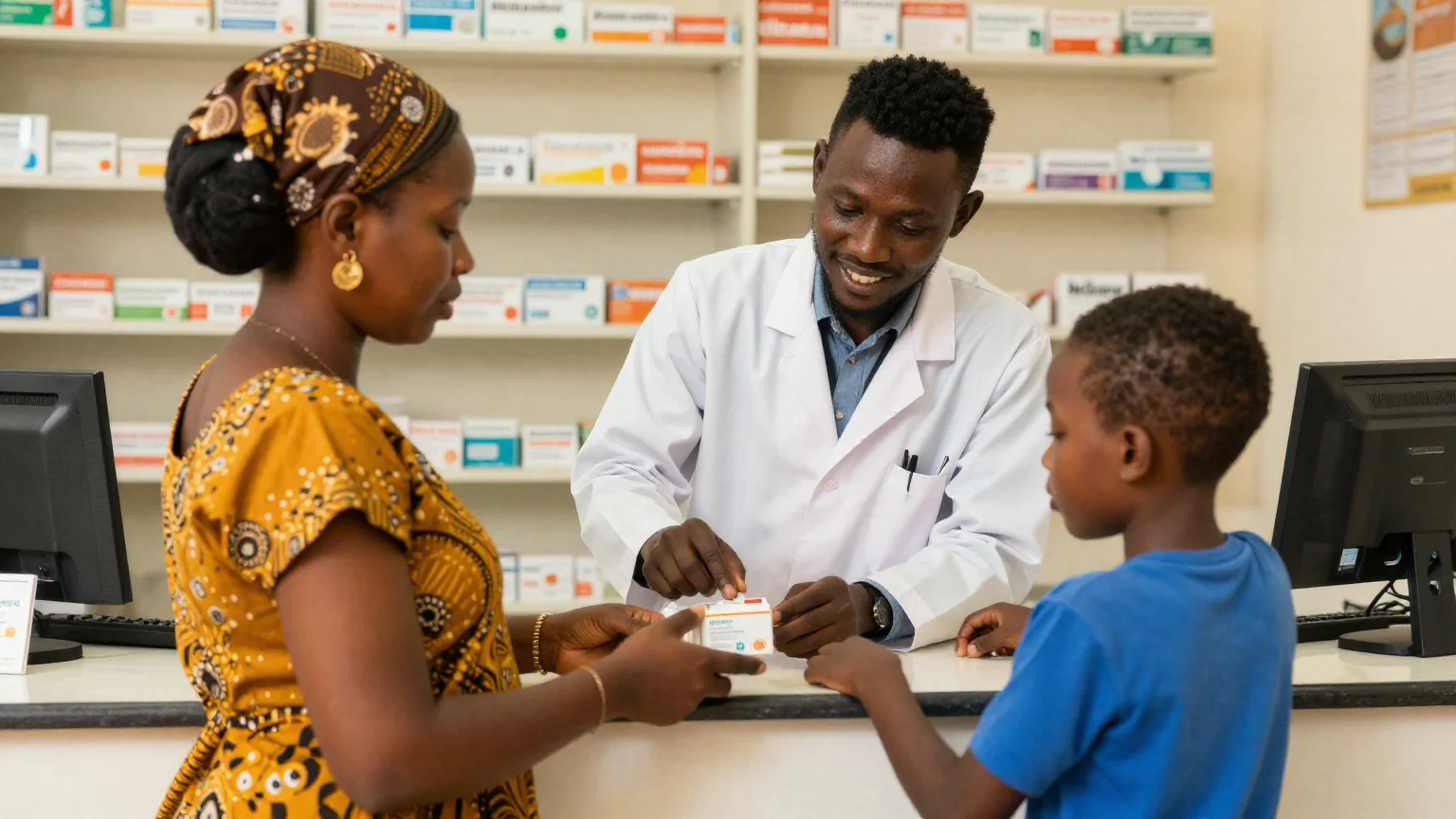
Fastclinic calculates the dose from Kamsi's weight and checks it against his allergy before the medicine is dispensed.
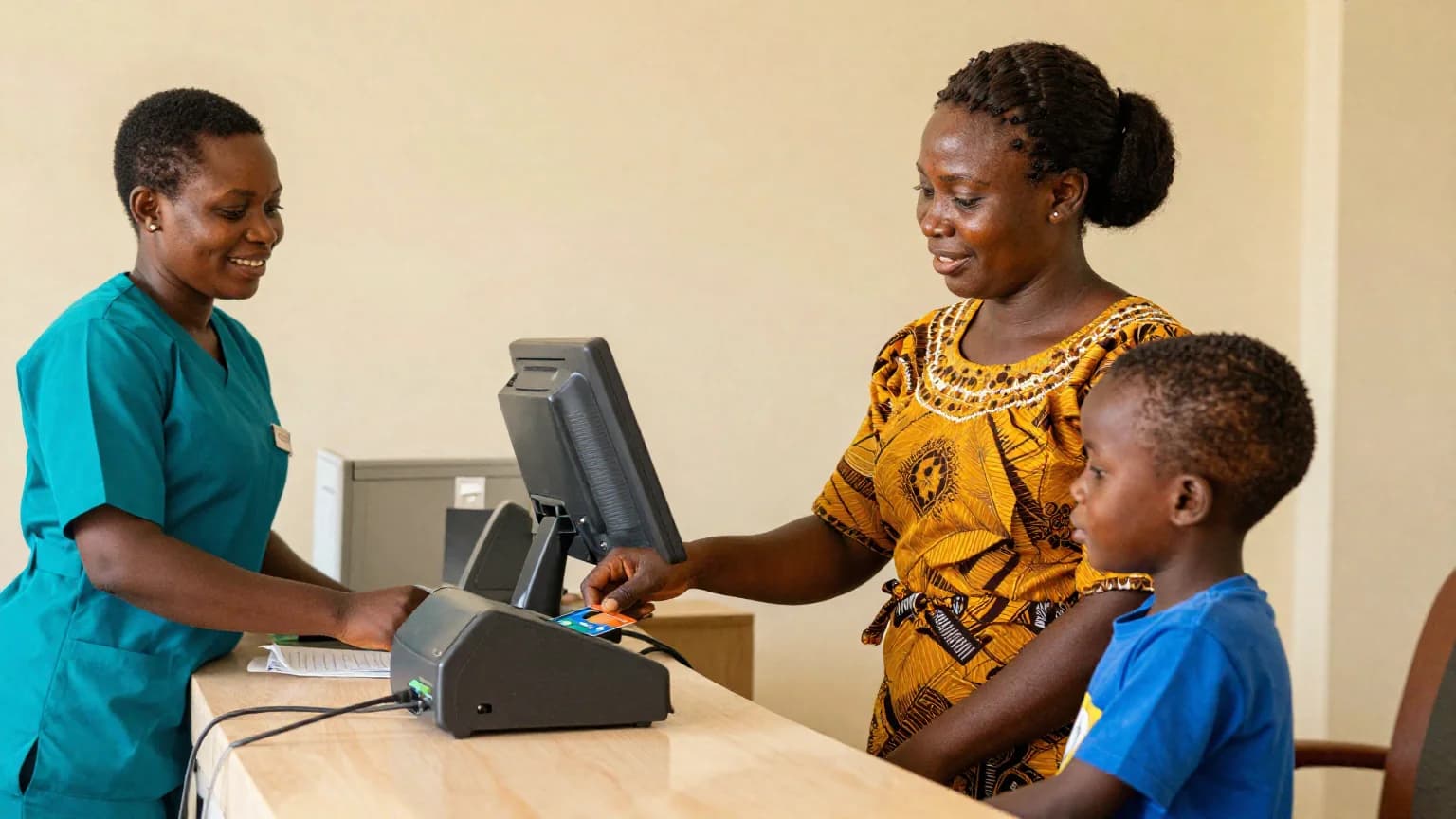
Each item is priced in naira, with the HMO's share already deducted.
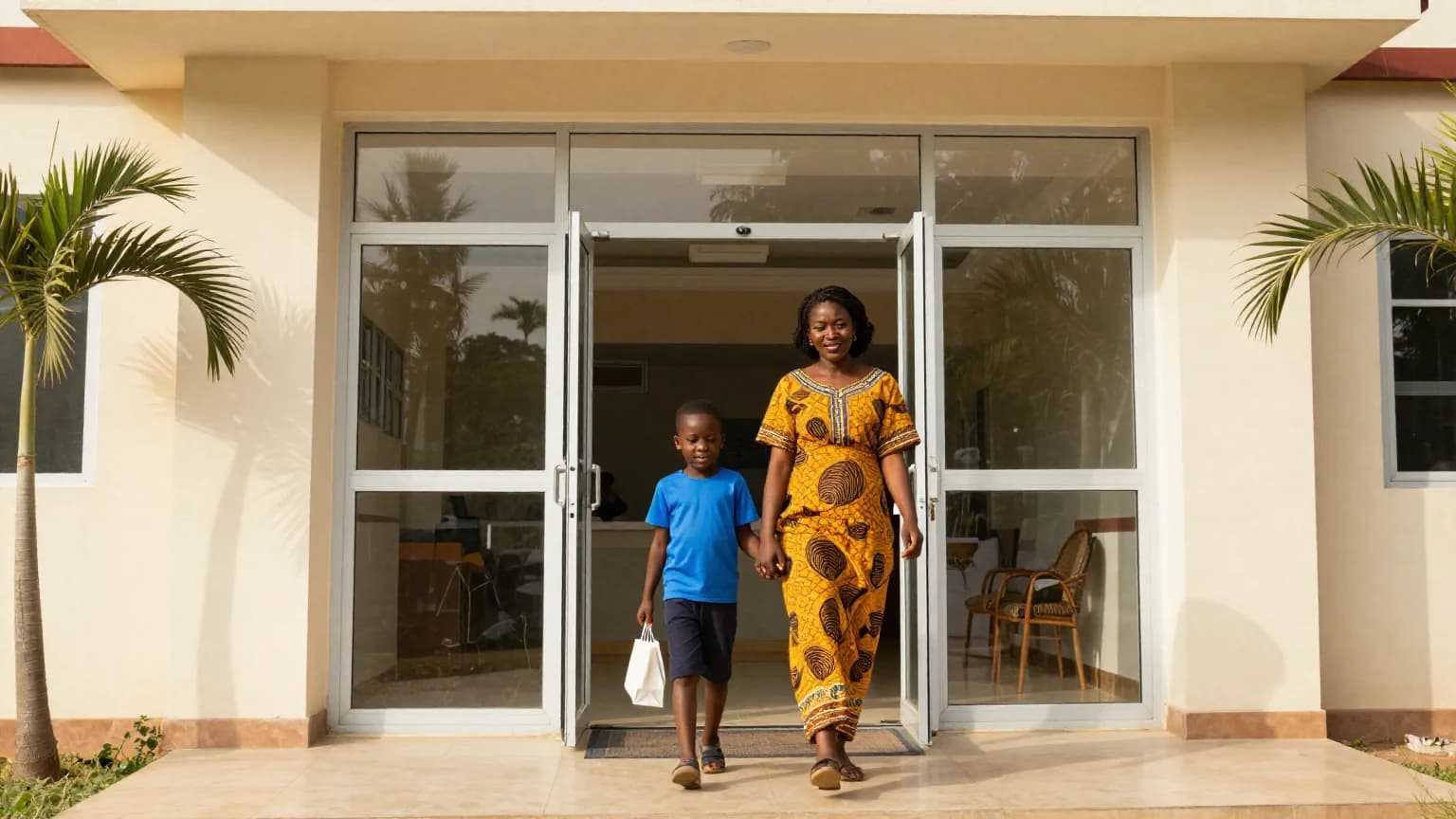
Kamsi's results, prescription and receipt are now on Amaka's phone.
One record across the visit
The front desk, the doctor, the laboratory, the pharmacy and the cashier all worked from Kamsi's record.
For other questions, write to contact@getfastclinic.com.
Hospitals, clinics and health programmes can request a consultation. Patients can leave an email address to receive updates.
Each hospital chooses where its data is held: on its own servers, or in a cloud account it owns.
Fastclinic Continuity keeps essential work available inside the facility, and the work is reconciled when the connection returns.
Yes. A clinic can start with the modules it needs and add others later.
No. Doctors pay nothing to join Fastclinic.
Arrange a demonstration of Fastclinic based on your own requirements.